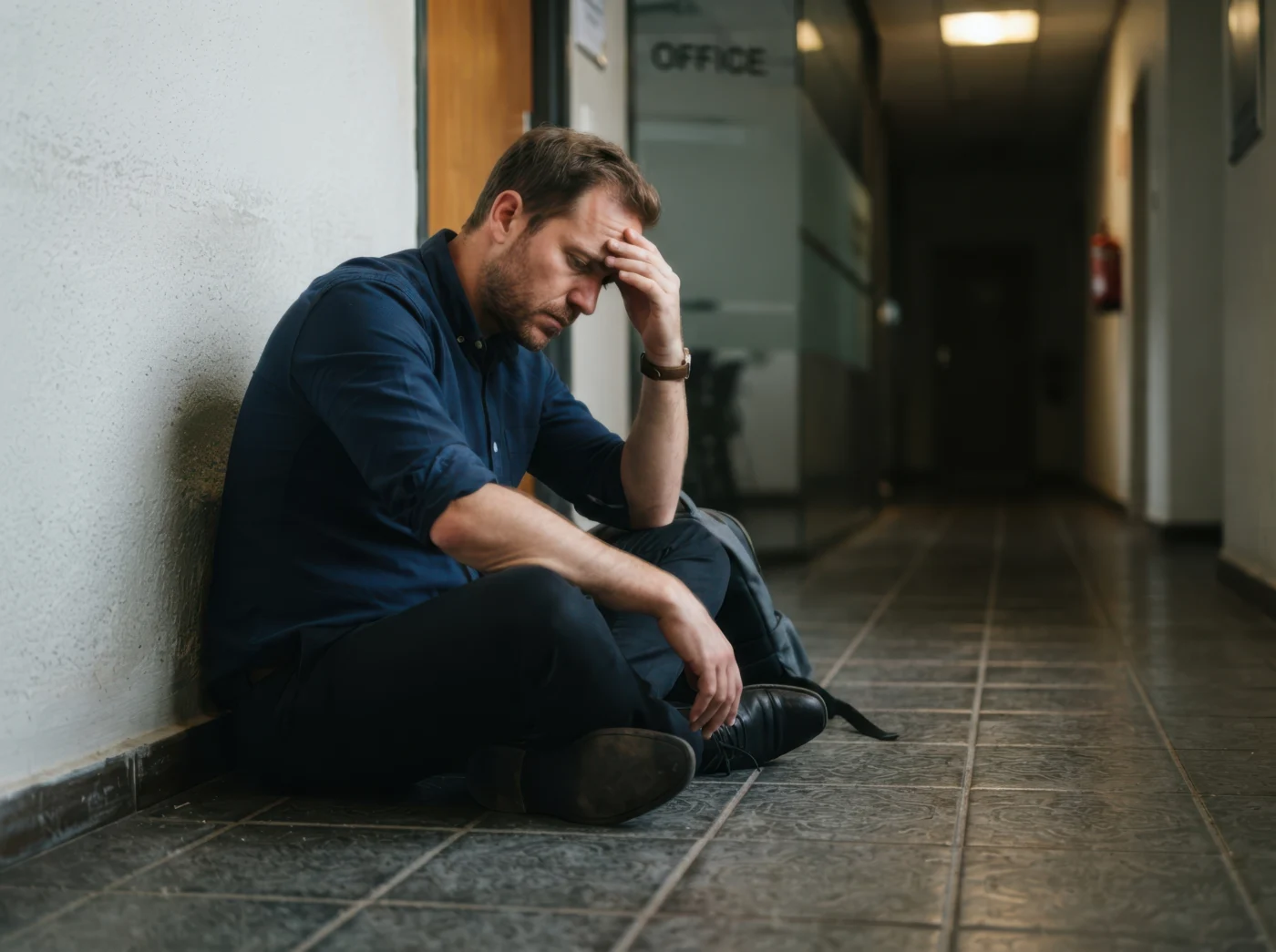
Everyone feels sad sometimes, after a loss, a disappointment or a hard week. Sadness is a normal, healthy emotion that usually eases with time. Depression is different. It is a medical condition that affects how you think, feel and function, and it usually doesn’t lift on its own just by “trying harder.”
Sadness vs. depression at a glance
- Sadness is usually tied to a specific event and improves over days or weeks. You can still enjoy things and find comfort in others.
- Depression lasts most of the day, nearly every day, for at least two weeks. It often dulls your ability to enjoy anything at all and affects sleep, energy and concentration.
Common symptoms of depression
- Persistent sad, empty or hopeless mood
- Loss of interest or pleasure in activities you used to enjoy
- Changes in appetite or weight
- Sleeping too much or too little
- Fatigue or low energy, even after rest
- Feelings of worthlessness or excessive guilt
- Difficulty concentrating or making decisions
- Moving or speaking more slowly, or feeling restless
- Thoughts of death or suicide
If you are having thoughts of suicide, please reach out now: call or text 988 to reach the Suicide & Crisis Lifeline, or call 911 in an emergency.
What causes depression?
Depression usually results from a mix of factors, including genetics, brain chemistry, medical conditions, stressful life events, trauma, and some medications. It is never a personal weakness or a character flaw.
How is depression treated?
Depression is highly treatable. A psychiatric provider can help you choose the right approach, which may include:
- Medication: Antidepressants can significantly reduce symptoms. Finding the right medication and dose can take time, which is why regular medication management visits matter.
- Psychotherapy: Talk therapies such as CBT help change unhelpful thought patterns and build coping skills.
- Healthy routines: Sleep, movement, sunlight, social connection and limiting alcohol all support recovery.
When to seek help
If low mood has lasted more than two weeks, or it is affecting your work, relationships or daily life, it’s a good time to schedule a psychiatric evaluation. If you are already being treated but don’t feel better, a second opinion consultation can help review your diagnosis and medications.
Frequently asked questions
How long does it take for antidepressants to work?
Many people notice some improvement within a few weeks, with fuller benefits over several weeks. Your provider will check in regularly and adjust treatment if needed.
Can depression come back?
It can, which is why ongoing follow-up and preventive wellness care are valuable for spotting early warning signs.
Is depression different from bipolar disorder?
Yes. Bipolar disorder includes periods of mania or hypomania in addition to depression. Telling them apart is important because treatment differs.
Talk to a psychiatric provider
If anything in this article sounds familiar, you don't have to sort it out alone. Therapete Psychiatry offers evaluations and ongoing care, with insurance and self-pay options.
Book an Appointment Call (000) 000-0000
This article is for general education and isn't a substitute for professional diagnosis or treatment. In an emergency, call 911 or call/text 988.