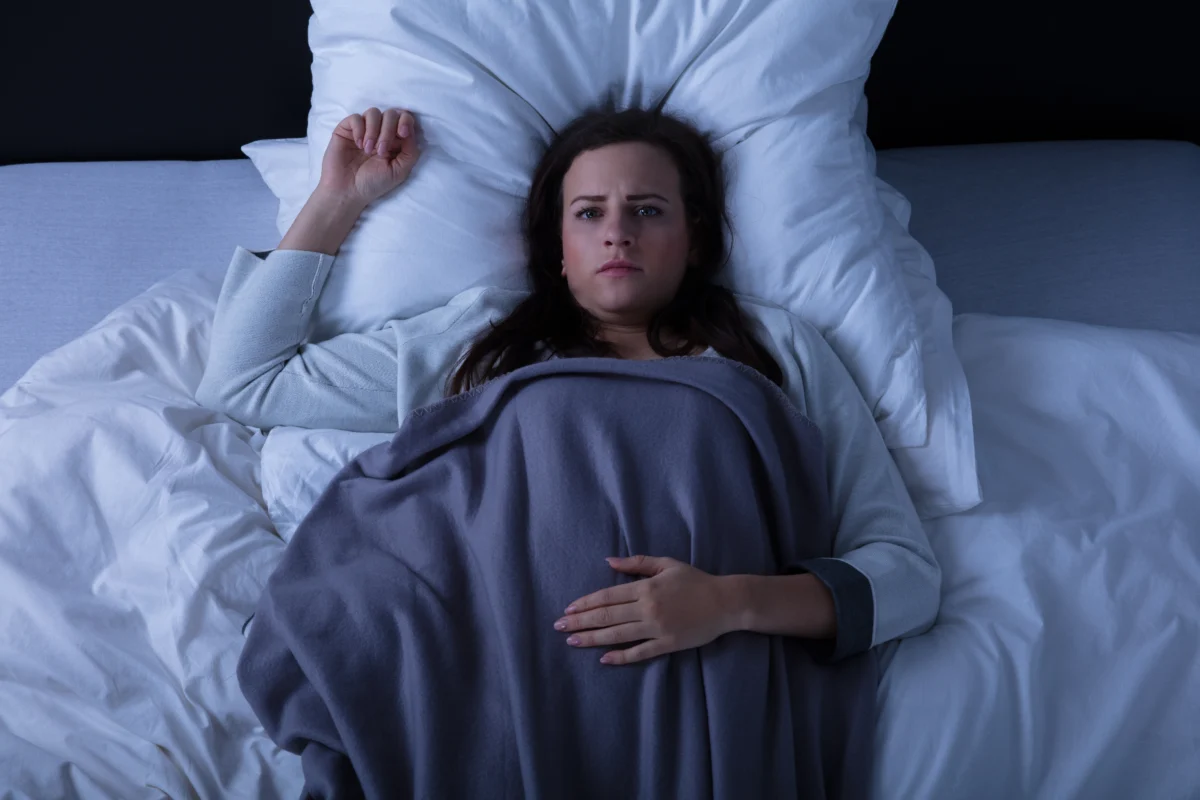
A bad night’s sleep can leave anyone irritable and foggy. But when trouble sleeping happens night after night, it can take a serious toll on your mental health. Insomnia, ongoing difficulty falling asleep, staying asleep or waking too early, is closely connected with anxiety, depression and other mental health conditions.
The two-way link between sleep and mental health
Poor sleep can increase stress, worsen mood and make it harder to cope. At the same time, conditions like anxiety, depression, bipolar disorder and ADHD can disrupt sleep. This two-way relationship means treating sleep problems can improve mental health, and treating mental health conditions often improves sleep.
Signs you may have insomnia
- Taking a long time to fall asleep most nights
- Waking up during the night and struggling to fall back asleep
- Waking up too early and being unable to go back to sleep
- Feeling tired, irritable or unfocused during the day
- Worrying about sleep or dreading bedtime
When these problems happen at least three nights a week for three months or more, it is considered chronic insomnia.
Practical tips for better sleep
- Keep a consistent schedule: Go to bed and wake up at the same times every day, including weekends.
- Limit caffeine and alcohol: Avoid caffeine after early afternoon, and remember alcohol disrupts sleep later in the night.
- Create a wind-down routine: Dim lights, put screens away and do something calming for 30 to 60 minutes before bed.
- Use your bed for sleep: If you can’t fall asleep after about 20 minutes, get up and do something relaxing until you feel sleepy.
- Get daylight and movement: Morning light and regular exercise help regulate your body clock.
- Keep your bedroom cool, dark and quiet.
How a psychiatric provider can help
If sleep tips aren’t enough, a psychiatric evaluation can uncover what’s behind your insomnia, such as anxiety, depression, medication side effects or other conditions. Treatment may include cognitive behavioral therapy for insomnia (CBT-I), treating an underlying condition, or carefully monitored medication when appropriate.
Frequently asked questions
Are sleeping pills a good long-term solution?
Some sleep medications are intended only for short-term use. A provider can help you find the safest approach and address the underlying cause.
Can anxiety cause insomnia?
Yes. Racing thoughts and physical tension often make it hard to fall asleep. Treating anxiety frequently improves sleep.
When should I see someone about my sleep?
If poor sleep has lasted several weeks or is affecting your mood, work or safety (such as drowsy driving), it’s time to get help.
Talk to a psychiatric provider
If anything in this article sounds familiar, you don't have to sort it out alone. Therapete Psychiatry offers evaluations and ongoing care, with insurance and self-pay options.
Book an Appointment Call (000) 000-0000
This article is for general education and isn't a substitute for professional diagnosis or treatment. In an emergency, call 911 or call/text 988.